Why Dubai Remains the World’s Strongest Short-Term Rental Market in 2026
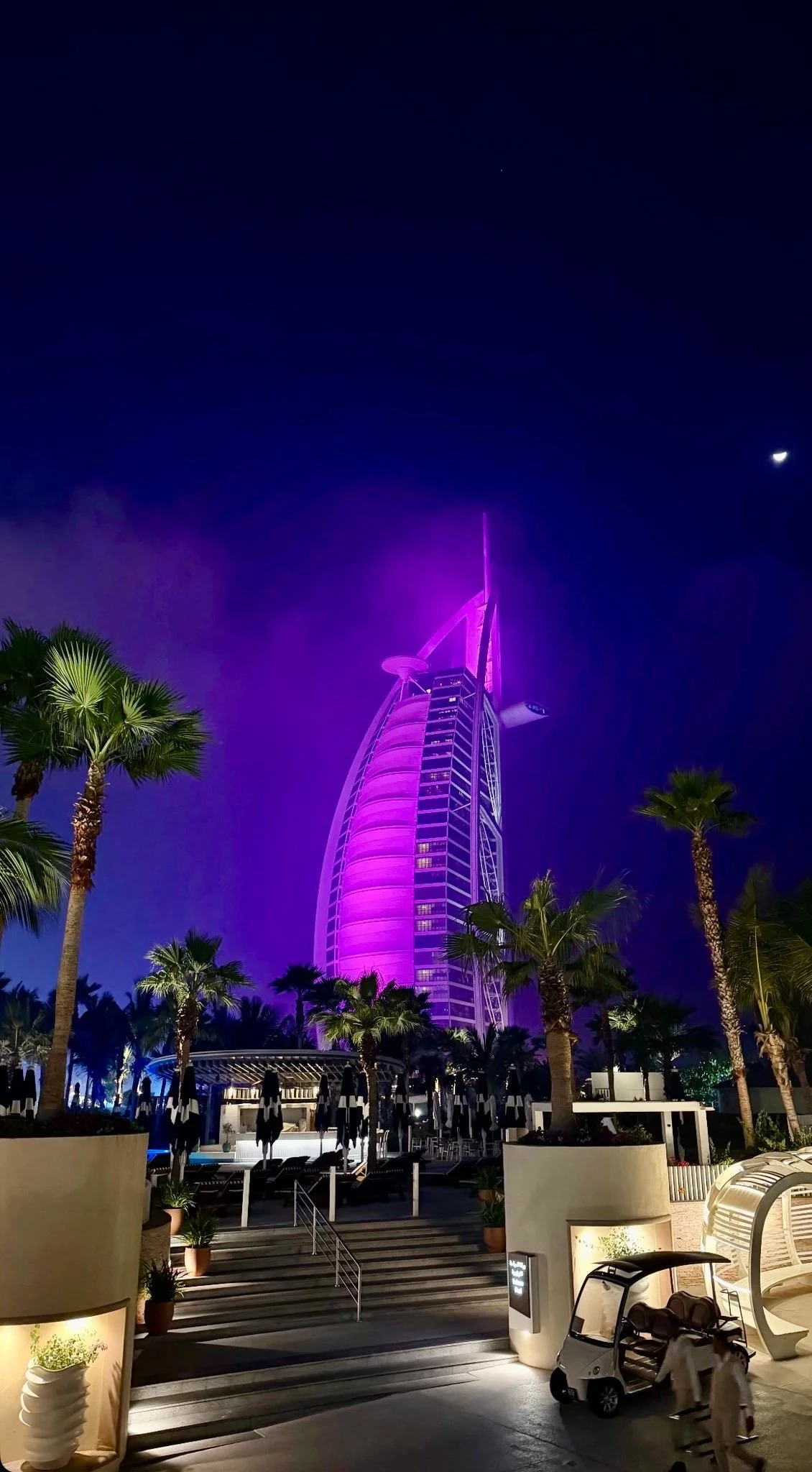
The gold standard of global hospitality: Dubai’s iconic landmarks drive the constant demand that makes the short-term market so resilient
In the heart of the global economy, 2026 has solidified Dubai’s reputation not just as a city of gold, but as a goldmine for the modern real estate investor. While other global capitals grapple with stagnant yields and restrictive short-term rental regulations, Dubai has leaned into its identity as a boundary-pushing metropolis, creating a "perfect storm" of demand that TEGA Luxury Oasis continues to navigate for our discerning partners.
The narrative of Dubai’s success this year is written in its skyline. The city has transitioned from a seasonal tourist stop into a year-round lifestyle destination. The "winter sun" rush of the past has evolved into a perennial flow of visitors, fueled by a 2026 events calendar that is more packed than ever—from high-stakes tech summits at Dubai Internet City to the relentless glamour of the fashion and arts seasons in D3. This constant influx means that occupancy rates for premium short-term rentals are no longer tethered to the traditional calendar; they are anchored to the city’s status as the world’s most connected hub.
For the property owner, the appeal lies in the sheer flexibility of the "Dubai Model." Unlike traditional long-term tenancies that can lock an asset into a fixed price for years, the short-term market allows for a dynamic, data-driven approach. At TEGA Luxury Oasis, we’ve seen that properties optimized for short-term stays in 2026 are generating premiums that significantly outpace the standard rental market. This is driven by a new class of "ultra-travelers"—high-net-worth individuals and digital nomads who aren't just looking for a room, but a curated experience that matches the luxury of a five-star hotel with the soul of a private home.
What truly sets Dubai apart in 2026 is the government’s proactive stance. While cities like New York or Paris have tightened the leash on short-term hosts, Dubai has professionalized the sector. The Department of Economy and Tourism (DET) has created a transparent, high-standard ecosystem that protects the owner’s investment while guaranteeing a world-class experience for the guest. This regulatory maturity has turned "Holiday Homes" from a side hustle into a sophisticated asset class.
Investing in Dubai’s short-term market today is an exercise in lifestyle arbitrage. You are buying into a city that is growing faster than it can build, where the demand for luxury living is insatiable, and where the tax-free environment ensures that the returns you see on paper are the returns you keep in your pocket. As we look across the urban landscape from our vantage point at TEGA, it’s clear: the oasis isn’t just a place to stay—it’s the most resilient investment strategy of the decade.
